
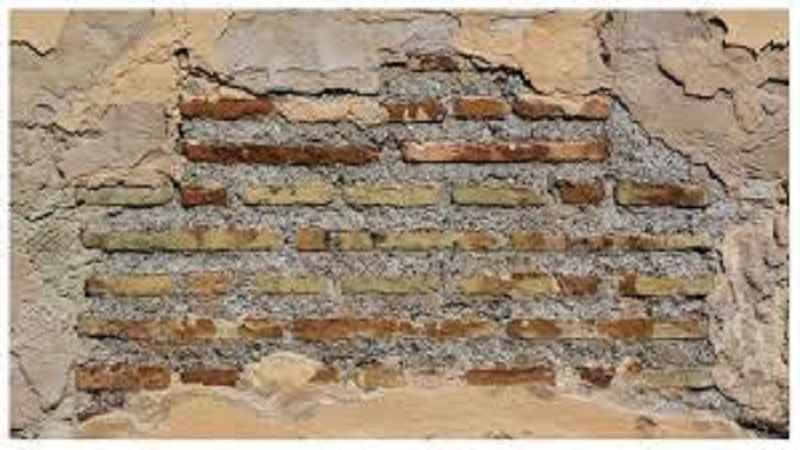
A strong foundation is one of the most important structural elements of any home. When the foundation begins to weaken, shift, or crack, it can affect the entire house—from walls and floors to doors, windows, plumbing, and even roof alignment. Many homeowners overlook early warning signs because they seem minor or cosmetic. However, foundation issues worsen with time and become far more expensive to repair if ignored.
This guide explores five common signs of foundation damage you should never overlook. Understanding these symptoms early can help you protect your home, avoid major structural repairs, and maintain long-term safety.
1. Cracks in Walls or Floors
Cracks are among the earliest and most visible signs of foundation trouble. While not every crack indicates structural damage, certain types and patterns do raise concerns.
Types of Cracks to Watch For
-
Horizontal Cracks
These are often the most serious. Horizontal cracks in basement walls or exterior masonry can signal soil pressure pushing against your foundation. -
Stair-Step Cracks
These appear in brick walls or block foundations and may indicate uneven settling or shifting soil. -
Vertical Cracks
Small vertical cracks are common in new homes due to natural curing of concrete. However, large or widening vertical cracks can still indicate foundation movement. -
Cracks on Floors
When floor cracks appear in concrete slabs—especially when accompanied by uneven surfaces—they often signal underlying foundation settlement.
Cracks That Require Immediate Attention
-
Cracks wider than ¼ inch
-
Cracks that grow longer or widen over time
-
Cracks accompanied by water leaks
-
Cracks combined with uneven flooring or sticking doors
When these signs appear together, they’re strong indicators that the foundation is shifting or sinking.
Why Cracks Happen
Cracks usually form due to:
-
Soil movement
-
Hydrostatic pressure from water buildup
-
Poor drainage around the home
-
Tree roots causing soil displacement
-
Improper construction or settling
Ignoring cracks can lead to even more serious structural damage, so early inspection is essential.
2. Uneven or Sloping Floors
Floors should be level and stable. When they become uneven, saggy, or sloped, it often points to foundation settlement or shifting support structures.
How to Identify Uneven Floors
Some signs are obvious, but others can be subtle. Look for:
-
Furniture leaning or wobbling
-
Doors swinging open on their own
-
A noticeable dip when walking across the floor
-
Flooring separating from walls or baseboards
Using a level tool can help confirm floor unevenness if you suspect it.
Common Causes of Uneven Floors
-
Foundation Settlement
When soil under the home moves or compresses, the foundation can sink in certain areas. -
Moisture Changes in Soil
Expansive clay soils swell when wet and shrink when dry, causing shifting underneath the home. -
Deteriorating Support Beams
In older homes, wooden beams in crawl spaces may rot or weaken over time. -
Construction Issues
Poor framing or improper load distribution can cause floors to dip.
Why You Shouldn’t Ignore Floor Slopes
Uneven floors can escalate into:
-
Broken tile or separated floorboards
-
Cracked drywall
-
Stress on plumbing pipes
-
Safety hazards, especially for children and seniors
If the slope becomes more pronounced over time, it’s a sign the foundation problem is worsening.
3. Windows and Doors That Won’t Close or Stick
When doors and windows begin sticking, jamming, or refusing to close properly, many homeowners blame humidity or faulty hardware. However, persistent alignment problems often point to foundation movement.
Signs of Foundation-Related Door and Window Problems
-
Gaps at the top or bottom of door frames
-
Doors that swing open or closed without touch
-
Window frames separating from the wall
-
Cracks in drywall near doors or windows
-
Misaligned locks or latches
These alignment issues happen because the foundation shifts, causing the frame to twist or tilt.
Why This Happens
-
Settling or sinking foundation sections
-
Shifting soil moving load-bearing walls
-
Moisture changes causing foundation expansion
-
Structural beams bending under pressure
Once frames become misaligned, the problem usually worsens until the underlying foundation issue is corrected.
How This Affects the Home
Sticking windows and doors may lead to:
-
Energy loss due to gaps
-
Water leaks during rain
-
Difficulty securing the home
-
Greater stress on structural components
If multiple doors or windows suddenly start sticking, it’s a strong indication that the foundation needs evaluation.
4. Exterior Brick or Siding Gaps
The outside of your home can reveal just as much about foundation health as the inside. Gaps in exterior siding, cracked bricks, and separation between walls and roofing structures are all symptoms of movement below the ground.
What to Look For
-
Brick separation
Mortar joints may widen or crumble, forming zig-zag or stair-step cracks. -
Gaps between siding panels
Siding may begin pulling apart, especially around corners. -
Separation between walls and rooflines
A visible gap or uneven alignment often signals structural shifting. -
Chimneys pulling away from the house
This is a major sign of foundation settlement and can pose safety risks.
Why Exterior Gaps Form
-
Soil Erosion
Water drainage around the home can wash away supporting soil. -
Expansive Clay Soil
Soil expansion puts pressure on brick or siding surfaces. -
Poor Construction Practices
Insufficient compaction of soil during home construction leads to future settling. -
Temperature Fluctuations
Freeze-thaw cycles can cause cracking and separation.
Long-Term Risks of Ignoring Exterior Gaps
-
Increased water infiltration
-
Pest entry through open gaps
-
Escalating wall movement
-
Structural instability requiring expensive repair
Regularly inspecting the exterior of your home can help detect early signs before major issues emerge.
5. Basement or Crawl Space Moisture Issues
Moisture is one of the most destructive forces affecting home foundations. When water accumulates in basements or crawl spaces, it can compromise the foundation and lead to long-term damage.
Warning Signs of Moisture Problems
-
Damp or musty smell
-
Water stains on walls or floors
-
Pooling water during or after rain
-
Mold or mildew growth
-
Rusting pipes or HVAC components
-
Peeling paint or efflorescence (white powder on concrete)
Even minor dampness should not be ignored, as it often signals deeper issues.
How Moisture Affects Foundations
-
Hydrostatic Pressure
When water builds up around your foundation, pressure forces moisture through walls and floors. -
Soil Expanding and Contracting
Wet soil expands and pushes against the foundation; dry soil shrinks and leaves voids. -
Wood Rot in Crawl Spaces
Prolonged moisture can damage wooden beams supporting the home. -
Mold Growth and Air Quality Issues
Moisture encourages mold, which affects indoor air and can spread through HVAC systems.
Common Sources of Foundation Moisture
-
Poor yard drainage
-
Damaged or clogged gutters
-
Cracked foundation walls
-
Leaky plumbing
-
High groundwater levels
Why Moisture Problems Should Be Fixed Immediately
Ignoring moisture can lead to:
-
Serious structural weakening
-
Foundation shifting
-
Expensive waterproofing repairs
-
Health problems due to mold exposure
Regular inspection, proper drainage, and timely waterproofing are essential to avoiding costly damage.
Conclusion
Foundation damage is a serious issue that can compromise the entire structure of your home if left untreated. The most common early warning signs—cracks in walls or floors, uneven or sloping floors, sticking windows and doors, exterior gaps, and moisture in basements or crawl spaces—are all indicators that something may be wrong.
Even if these symptoms seem small at first, they often point to deeper problems such as soil movement, drainage issues, or structural settling. Addressing them early not only protects your home but also saves significant time and repair costs in the long run.
If you notice one or more of these signs, it’s best to consult a foundation specialist or structural engineer for a professional evaluation. Early action is the key to preventing serious damage and ensuring the safety, stability, and value of your home.