
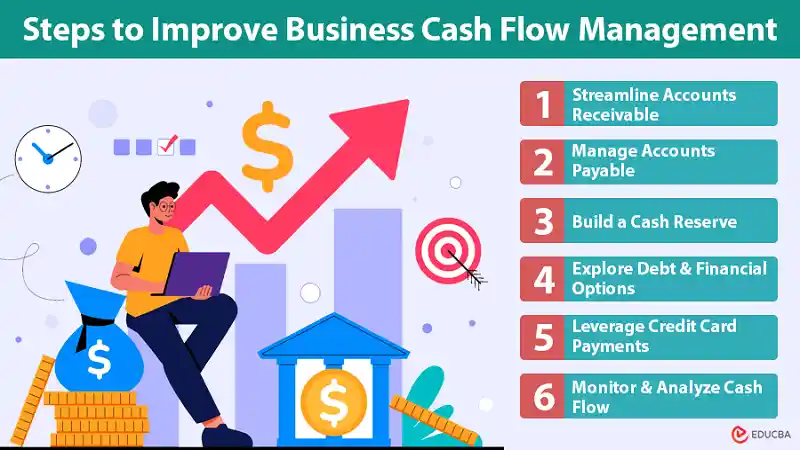
Cash flow is one of those things that sounds simple (money in, money out), but in reality, it’s where many businesses quietly struggle. You can be profitable on paper and still run out of cash. You can have strong sales and still feel like you’re constantly behind. And if you don’t have a system in place, you may not even realize there’s a problem until it’s too late.
This is exactly where a financial business consultant becomes invaluable. A skilled consultant doesn’t just look at your numbers. They interpret them, identify weaknesses, and build a strategy that keeps your business financially stable and positioned for growth.
In this guide, we’ll break down how to properly manage your business cash flow, the strategies financial consultants use, and how you can apply them to create a stronger, more predictable financial future.
What Is Cash Flow and Why It Matters More Than Profit
At its core, cash flow is the movement of money in and out of your business.
-
Cash coming in = revenue, payments, financing
-
Cash going out = expenses, payroll, debt, taxes
When more money comes in than goes out, you have positive cash flow. When the opposite happens, you’re operating at a deficit.
And here’s the important part: cash flow is not the same as profit.
You can show a profit on your income statement but still struggle to pay bills if your cash isn’t arriving when you need it.
That’s why financial experts often say cash flow is the lifeblood of a business, because without it, operations come to a halt.
Why Businesses Struggle with Cash Flow
Most business owners don’t ignore cash flow intentionally. The challenges usually come from a combination of factors:
-
Delayed customer payments
-
Poor financial forecasting
-
Rising operational costs
-
Seasonal revenue fluctuations
-
Lack of visibility into financial data
For service-based businesses in particular, cash flow can feel unpredictable. Payments may take 30, 60, or even 90 days to arrive, while expenses like payroll and rent are due immediately.
This mismatch creates a constant tension. One that a financial business consultant is specifically trained to resolve.
What Does a Financial Business Consultant Actually Do?
A financial business consultant acts as a strategic partner, helping you understand and optimize how money moves through your business.
Their role typically includes:
-
Analyzing financial statements and cash flow patterns
-
Identifying inefficiencies and risks
-
Creating cash flow forecasts
-
Improving billing and collection processes
-
Reducing unnecessary expenses
-
Building long-term financial strategies
In short, they translate raw financial data into clear, actionable decisions that improve stability and growth.
Step 1: Gain Full Visibility into Your Cash Flow
You can’t fix what you can’t see.
The first step any financial business consultant will take is to understand exactly where your money is going—and where it’s coming from.
This includes:
-
Reviewing income streams
-
Categorizing expenses
-
Analyzing accounts receivable and payable
-
Identifying patterns in cash shortages
Many businesses discover surprising issues during this stage, such as:
-
Clients consistently paying late
-
Subscriptions or expenses going unnoticed
-
Revenue streams that aren’t as profitable as expected
This diagnostic process lays the foundation for every improvement that follows.
Step 2: Build a Cash Flow Forecast
One of the most powerful tools a financial business consultant uses is cash flow forecasting.
A forecast predicts how much cash you’ll have in the future based on:
-
Expected income
-
Scheduled expenses
-
Payment timelines
This allows you to:
-
Anticipate shortfalls before they happen
-
Plan for growth investments
-
Make informed financial decisions
Many experts recommend maintaining a rolling 13-week forecast that’s updated regularly to stay accurate.
Without forecasting, you’re reacting to problems. With it, you’re preventing them.
Step 3: Accelerate Cash Inflows
If cash flow is tight, one of the fastest ways to improve it is by getting paid faster.
Financial consultants often focus on:
-
Shortening payment terms
-
Sending invoices immediately
-
Offering incentives for early payment
-
Implementing automated billing systems
The goal is simple: reduce the gap between when you deliver a service and when you receive payment.
Even small changes (like moving from net-30 to net-15 terms) can significantly improve your cash position.
Accelerating inflows is one of the core levers for improving liquidity and stabilizing your business.
Step 4: Control and Optimize Cash Outflows
While increasing revenue is important, managing expenses is just as critical.
A financial business consultant will help you evaluate:
-
Fixed vs. variable expenses
-
Vendor contracts and payment terms
-
Subscription services and recurring costs
-
Capital expenditures
This doesn’t mean cutting costs blindly. It means spending intentionally.
For example:
-
Negotiating better payment terms with vendors
-
Consolidating tools or software
-
Delaying non-essential investments
The goal is to align your outflows with your cash availability.
Step 5: Improve Working Capital Efficiency
Working capital is the difference between your current assets and liabilities, and it plays a major role in cash flow.
Improving working capital efficiency means:
-
Collecting receivables faster
-
Managing payables strategically
-
Reducing unnecessary inventory
Financial consultants often look for ways to optimize this balance so your business always has enough liquidity to operate smoothly.
Step 6: Create a Cash Reserve
No matter how well you manage your finances, unexpected expenses will happen.
That’s why one of the most important strategies is building a cash reserve.
A reserve allows you to:
-
Cover emergencies
-
Handle slow seasons
-
Avoid taking on unnecessary debt
Many experts recommend maintaining several months of operating expenses in reserve, especially for businesses with seasonal or unpredictable income.
Step 7: Use Technology to Stay Organized
Modern tools can make cash flow management significantly easier.
Accounting platforms and financial dashboards allow you to:
-
Track income and expenses in real time
-
Monitor cash flow trends
-
Automate invoicing and payments
-
Generate financial reports instantly
For many businesses, combining technology with guidance from a financial business consultant creates the most effective system.
Step 8: Plan for Taxes and Large Expenses
One of the most common causes of cash flow problems is poor planning for taxes.
Many business owners treat tax payments as an afterthought until a large bill arrives.
A better approach is to:
-
Set aside a percentage of income regularly
-
Use a separate account for taxes
-
Work with a professional to estimate liabilities
Planning ahead prevents sudden financial strain and keeps your cash flow stable year-round.
Step 9: Align Cash Flow with Growth Strategy
Growth is exciting, but it can also strain your finances.
Hiring staff, expanding operations, or investing in new equipment all require cash.
A financial business consultant helps ensure that your growth plans are financially sustainable by:
-
Timing investments strategically
-
Ensuring sufficient cash reserves
-
Aligning spending with revenue projections
This prevents businesses from overextending themselves; a common mistake during periods of rapid growth.
Signs You Need a Financial Business Consultant
Not every business needs a consultant immediately, but there are clear signs when it’s time.
You may benefit from working with a financial business consultant if:
-
You’re consistently short on cash
-
You don’t have a clear financial plan
-
You’re growing but struggling to manage money
-
You’re unsure where your profits are going
-
You want to scale but lack financial clarity
Recurring cash flow problems are often a signal that deeper financial strategy is needed, not just more revenue.
Common Cash Flow Mistakes to Avoid
Even experienced business owners make mistakes when it comes to cash flow.
Here are a few of the most common:
1. Confusing Profit with Cash
Profit doesn’t guarantee liquidity.
2. Ignoring Forecasting
Without forecasting, you’re always reacting instead of planning.
3. Allowing Late Payments
Delayed receivables can cripple your cash flow.
4. Overspending During Growth
Growth should be strategic, not reactive.
5. Not Having a Financial Strategy
Operating without a plan leads to instability.
The Long-Term Value of a Financial Business Consultant
Hiring a financial business consultant isn’t just about fixing problems. It’s about building a stronger foundation for the future.
With the right guidance, you can:
-
Improve financial visibility
-
Make better decisions
-
Reduce risk
-
Increase profitability
-
Scale with confidence
Consultants bring an objective perspective, helping you see opportunities and risks you might otherwise miss.
Get the Help You Need
Managing cash flow isn’t just an accounting task. It’s a strategic priority.
It determines whether your business can:
-
Pay its bills
-
Invest in growth
-
Survive downturns
-
Seize opportunities
And while tools and software can help, there’s real value in having an expert guide your decisions. A financial business consultant provides the insight, structure, and strategy needed to turn your cash flow from a constant concern into a powerful advantage. Because at the end of the day, successful businesses don’t just make money. They manage it well.