
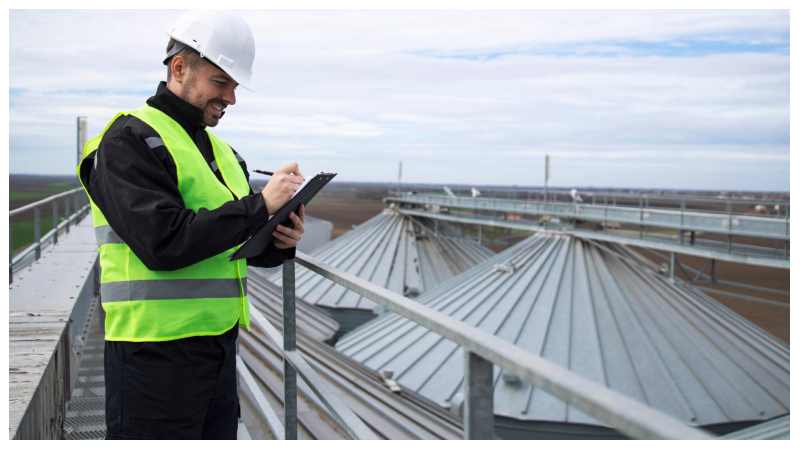
A commercial roof inspection provides a clear picture of the current condition of a building before repairs or maintenance become necessary. Property owners in Moline benefit from understanding what the inspection includes because it helps support planning, budgeting, and long-term roof performance. A structured inspection also creates a documented record of visible roof conditions for future reference.
Commercial buildings across the Quad Cities experience changing weather conditions that affect roofing materials throughout the year. Moline commercial roofing experts typically begin an inspection by evaluating the entire roofing system while working carefully to avoid unnecessary disruption to daily business operations. This organized approach helps identify visible concerns and supports informed maintenance decisions.
Roof Condition Assessment
The inspection usually starts with a complete review of the roof surface and its major components. Visible wear, poor drainage performance, and exposed roofing materials receive close attention during this stage. Inspectors also note conditions that may influence future maintenance or repair planning.
Surface And Drainage Review
Inspectors commonly examine:
- Ponding water or drainage concerns
- Membrane condition or surface wear
- Flashing around penetrations and roof edges
- Visible seams, joints, and transitions
- Debris that may block water flow
Routine observations during this stage help create a clearer understanding of the roof’s overall condition before recommendations are made. Inspectors also look for areas where water may collect or where roofing materials show early signs of deterioration. A thorough surface review helps determine which sections may require continued monitoring during future inspections.
Areas That Receive Additional Attention
Some roof sections naturally experience greater exposure to moisture, movement, or temperature changes. These locations receive a more detailed inspection because they frequently influence overall roof performance. Careful evaluation helps identify conditions that deserve continued monitoring.
Roof Components Checked Carefully
During a commercial inspection, attention may include:
- Roof penetrations around mechanical equipment
- Flashing connections and sealant condition
- Expansion joints
- Signs of moisture intrusion
- Areas showing previous repair work
At this stage, Moline commercial roofing experts may explain how each finding relates to future maintenance planning instead of focusing only on immediate repairs. Commercial maintenance programs, roof coatings, and repair strategies can then be considered if inspection findings support those recommendations. This discussion helps property owners understand practical options based on the roof’s condition.
Choosing A Qualified Commercial Roofing Professional in Moline
Choose a contractor that performs detailed roof inspections and provides clear written findings. Experience with commercial roofing systems enables accurate assessments of drainage, flashing, and roof penetrations. Clear recommendations also make future maintenance planning easier.
Routine roof inspections help property owners understand the condition of their roofing system. Regular evaluations support timely maintenance and better long-term planning. A consistent inspection schedule also helps protect the roof throughout its service life.
FAQs
What Does a Commercial Roof Inspection Include?
A commercial roof inspection typically includes checking the roof surface, flashing, drainage systems, seams, penetrations, and visible signs of wear or moisture intrusion. Inspectors also document findings to support maintenance planning.
How Long Does a Commercial Roof Inspection Take?
Most commercial roof inspections take between one and several hours, depending on the building size, roof layout, and overall condition. Larger or more complex properties may require additional time.
How Commonly Should a Commercial Roof Be Inspected?
Most commercial roofs should be inspected at least twice a year, typically in the spring and fall. Additional inspections are recommended after severe storms or other significant weather events.