
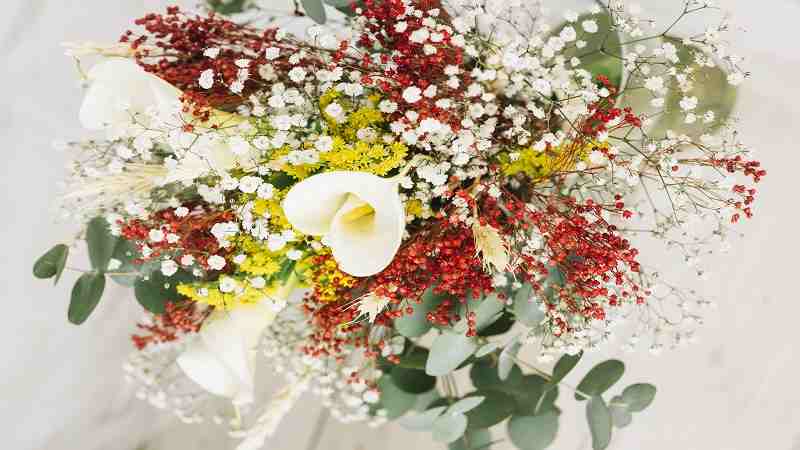
Floral décor adds color, texture, and depth to a celebration space. Small missteps, however, can affect how arrangements look and last. A little awareness helps prevent issues that lead to stress later. Careful preparation supports a smoother and more cohesive result.
Out of Season Blooms Cause Cost and Quality Issues
Seasonal awareness plays a key role in floral success. Wedding Flowers that fall outside their natural season may cost more and appear less vibrant. Limited availability can also affect color consistency across arrangements. Choosing in season varieties helps with freshness and value.
Local climate influences how blooms perform during the event. Heat sensitive stems may wilt quickly in warm conditions. Hardy varieties often handle temperature shifts better. Practical choices may help improve overall appearance through the day.
No Clear Floral Budget Leads to Overspending
Floral costs can shift quickly without a spending guide. Rare blooms or complex designs often increase total expenses. Seasonal options usually offer more flexibility in pricing. Budget clarity aids steady decisions.
Distribution of funds across bouquets and table pieces also matters. A few larger designs may reduce the need for many small accents. Smaller arrangements across many tables change the cost balance. Thoughtful planning helps keep priorities clear.
Style Without Function Creates Guest Discomfort
Floral décor should support comfort as well as style. Bouquets need a manageable size and weight for long ceremonies. Table pieces must allow clear sightlines between guests. These details affect how the event feels.
Transport and setup logistics also deserve attention. Durable stems handle movement between spaces more easily. Lightweight designs simplify placement adjustments. Practical thinking may help improve the overall experience.
Poor Color Coordination Weakens the Overall Look
Color harmony plays a major role in how décor feels. Shades that clash with attire, linens, or lighting can distract from the setting. A clear palette helps arrangements blend smoothly into the environment. Consistency across elements may help improve visual flow.
Light conditions also affect how tones appear in person. Deep hues can look heavier in dim rooms, while pale shades may fade under bright light. Testing colors in similar lighting helps set realistic expectations. Small adjustments can make a noticeable difference.
Last Minute Changes Create Unnecessary Stress
Sudden design shifts close to the event date often cause complications. Availability of certain blooms may change, which limits options. Quick swaps can affect color balance or arrangement size. Early decisions help keep the plan steady.
Clear timelines support smoother coordination with floral teams. Confirmed selections give vendors time to source quality stems. Organized planning reduces pressure on everyone involved. Steady communication may help improve overall results.
Unclear Communication
Clear communication helps prevent misunderstandings. Early conversations about style, venue, and timing support smoother coordination. Visual references aid clarity during design discussions. Consistent updates reduce last-minute changes.
Final confirmations also matter as the date approaches. Delivery times and setup windows need review. Small schedule shifts should be shared promptly. Ongoing contact supports better organization.
Avoiding common floral missteps helps décor feel balanced and intentional. Wedding Flowers chosen with season, space, and function in mind may help improve overall flow. Small checks throughout the process support better results. Thoughtful preparation shapes a celebration that feels cohesive and well planned.