
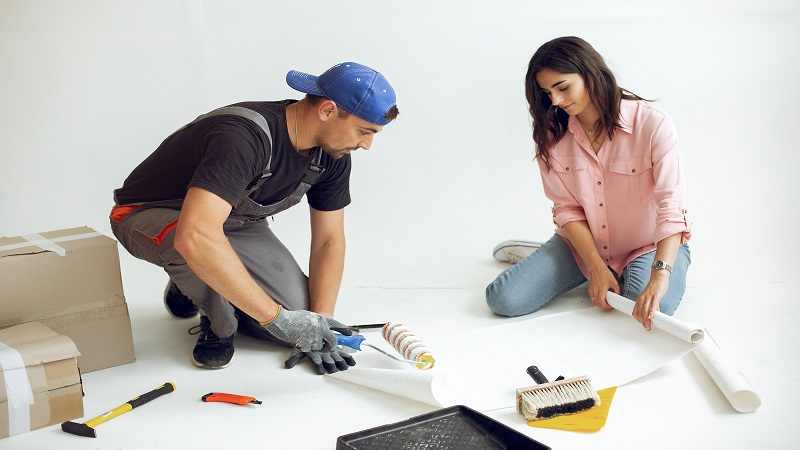
Maintaining a home goes far beyond occasional cleaning or fixing things when they break. A well-organized maintenance routine ensures your property stays in top condition, saves you money in the long run, and enhances your living comfort. Home upgrades and repairs are part of this essential process — helping homeowners protect their investments while keeping their living spaces safe, functional, and beautiful. This guide provides a complete breakdown of how to create and manage an effective home maintenance routine that suits your lifestyle and budget.
1. Why a Home Maintenance Routine Matters
Homeownership comes with continuous responsibilities. Many small issues can turn into expensive repairs if neglected — from leaky faucets to worn-out roofs. Establishing a maintenance routine ensures:
- Cost efficiency: Regular inspections prevent major breakdowns and costly replacements.
- Safety: Detecting issues early reduces risks like mold growth, electrical faults, or structural damage.
- Longevity: A well-maintained home lasts longer and retains its market value.
- Peace of mind: You’ll feel confident knowing your home is in good condition year-round.
The key to success lies in consistency — small, steady efforts over time pay off much more than occasional major overhauls.
2. Start with a Home Assessment
Before you build your maintenance plan, conduct a full home inspection. Identify what areas need attention now and what can wait. Here’s how to start:
- Inspect the roof and gutters: Check for missing shingles, cracks, or clogged drainage.
- Evaluate plumbing systems: Look for leaks under sinks and around toilets.
- Test electrical outlets and lights: Ensure everything functions safely.
- Examine windows and doors: Seal gaps to prevent energy loss.
- Check appliances: Confirm that heating, cooling, and kitchen appliances run efficiently.
Document your findings in a checklist. This record will serve as the foundation for your home maintenance schedule.
3. Create a Maintenance Calendar
Once you know what needs attention, develop a calendar that spreads out tasks throughout the year. This helps avoid the stress of doing everything at once.
Monthly tasks:
- Clean filters in air purifiers and HVAC systems.
- Test smoke and carbon monoxide detectors.
- Check for water leaks in bathrooms and kitchens.
Seasonal tasks:
- Spring: Inspect the roof and exterior for winter damage, clean windows, and service your air conditioner.
- Summer: Focus on landscaping, pest control, and deck maintenance.
- Fall: Clean gutters, inspect the furnace, and prepare plumbing for colder weather.
- Winter: Check insulation, monitor for drafts, and ensure heating systems function efficiently.
A well-planned calendar turns maintenance into a manageable routine rather than a burden.
4. Prioritize Safety and Efficiency
Safety is at the heart of any good home maintenance plan. When planning home upgrades and repairs, make sure to include these essential safety measures:
- Electrical safety checks: Replace damaged cords, ensure circuits are not overloaded, and call a professional for major issues.
- Fire prevention: Keep fire extinguishers in key areas, clean dryer vents, and inspect chimney flues annually.
- Water safety: Inspect pipes regularly to prevent leaks and mold.
- Structural integrity: Monitor foundation cracks and repair them promptly to avoid long-term damage.
Efficiency is just as important. Upgrading to energy-saving lighting, smart thermostats, or water-efficient fixtures can reduce bills while improving comfort.
5. Budgeting for Home Maintenance
Financial planning is a crucial part of home care. A general rule is to set aside 1–3% of your home’s value each year for maintenance. For instance, if your home is valued at $300,000, allocate $3,000 to $9,000 annually.
Break your budget into categories:
- Routine care: Cleaning, inspections, and filter replacements.
- Repairs: Fixing broken items or addressing wear and tear.
- Upgrades: Improving efficiency or updating design.
Tracking expenses in a spreadsheet helps you understand spending patterns and plan for future costs.
6. The Role of Seasonal Upgrades
Incorporating seasonal upgrades into your routine keeps your home modern and comfortable. Here’s what to consider each season:
- Spring: Repaint walls or exteriors, reseal driveways, and improve outdoor lighting.
- Summer: Install energy-efficient windows or add shade structures.
- Fall: Upgrade insulation and replace outdated heating systems.
- Winter: Replace worn weatherstripping and add smart thermostats.
These upgrades enhance value and efficiency while ensuring your home remains comfortable all year.
7. DIY vs. Professional Repairs
It’s important to know which tasks you can handle yourself and which require expert help.
DIY-friendly repairs:
- Fixing leaky faucets.
- Patching small holes in drywall.
- Cleaning gutters.
- Repainting walls.
Professional repairs:
- Electrical wiring and panel work.
- Roof repairs or replacements.
- Major plumbing issues.
- Structural repairs.
Attempting complex repairs without the right skills can cause more harm than good. Always prioritize safety and quality over saving a few dollars.
8. Sustainable Home Maintenance
Modern homeowners are increasingly embracing eco-friendly practices. Incorporating sustainability into home upgrades and repairs benefits both the environment and your finances.
Ways to maintain sustainably:
- Use non-toxic paints and recycled materials during upgrades.
- Opt for solar-powered lighting or panels.
- Install water-saving fixtures like low-flow toilets and showerheads.
- Compost organic waste and recycle whenever possible.
Small eco-conscious changes can significantly reduce your carbon footprint while enhancing the efficiency of your home.
9. Tools and Supplies Every Homeowner Should Have
A well-equipped toolkit makes home maintenance easier and safer. Here’s a list of essentials:
- Hammer and screwdriver set.
- Adjustable wrench and pliers.
- Utility knife and measuring tape.
- Flashlight or headlamp.
- Power drill.
- Stud finder and level.
- Ladder and safety gloves.
Organize tools in a portable toolbox and check them regularly to ensure they’re in good condition.
10. Tracking Progress and Maintenance Records
Keeping detailed records of repairs and upgrades helps you stay organized and can increase your home’s resale value. Maintain a home maintenance log with:
- Date of each task.
- Details of repairs or upgrades performed.
- Contractor contact information (if applicable).
- Receipts for expenses and warranties.
This log not only simplifies future repairs but also serves as valuable documentation for potential buyers.
11. Building Habits for Long-Term Maintenance
The key to maintaining your home effectively is to make upkeep part of your routine. Consistency prevents small problems from becoming major expenses.
Practical ways to stay consistent:
- Set calendar reminders for monthly tasks.
- Schedule a major home check twice a year.
- Create a shared household maintenance list if you live with family.
- Dedicate one weekend each month to home care activities.
Turning maintenance into a habit keeps your home in great shape with minimal stress.
12. Common Mistakes to Avoid
Even with the best intentions, many homeowners make errors that cost them time and money. Avoid these pitfalls:
- Ignoring minor issues: Small leaks or cracks often grow into major repairs.
- Skipping regular cleaning: Dirt buildup can damage appliances and surfaces.
- Using cheap materials: Low-quality replacements don’t last long.
- Neglecting safety checks: Overlooking electrical or fire hazards can lead to serious problems.
- Forgetting warranties: Not tracking warranty details can result in unnecessary expenses.
Awareness of these mistakes helps you build a reliable and effective maintenance strategy.
13. Upgrading with Future Resale in Mind
Even if you don’t plan to sell your home soon, smart upgrades add long-term value. When planning home upgrades and repairs, focus on improvements that appeal to future buyers:
- Modern kitchens and bathrooms.
- Energy-efficient windows and insulation.
- Smart home features.
- Quality flooring and fresh paint.
These updates not only make your home more enjoyable but also boost its market appeal when the time comes to sell.
14. Conclusion
Creating and maintaining a structured home maintenance routine requires planning, organization, and dedication. By integrating home upgrades and repairs into your yearly schedule, you ensure that your property remains comfortable, safe, and valuable. Regular inspections, a realistic budget, and a proactive mindset will help you stay ahead of potential issues — transforming home care from a stressful obligation into a smooth, rewarding process.
Your home is one of your most valuable assets. Treat it with consistent care, and it will provide you with comfort, safety, and peace of mind for years to come.