
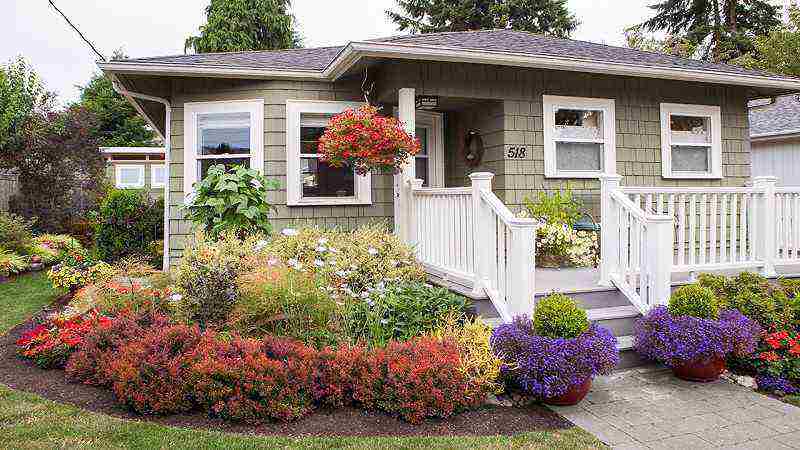
Designing a landscape that’s both beautiful and functional is a dream for many homeowners. The outdoor space of a home isn’t just an area for plants—it’s an extension of your living environment, a place for relaxation, gatherings, and enjoying nature. Understanding how to create a functional and beautiful landscape design allows you to combine creativity, practicality, and nature into one harmonious outdoor setting. This guide provides detailed steps, expert tips, and practical ideas to help homeowners achieve a perfect balance between aesthetics and usability.
1. Understanding the Purpose of Landscape Design
Before you start planning, it’s important to identify why you want to redesign your outdoor space. Every homeowner’s needs are different. Some might want a cozy garden for relaxation, while others need open spaces for entertainment or play.
Key questions to ask yourself:
-
What will the main purpose of the landscape be? (Relaxation, gatherings, gardening, play area, etc.)
-
How much maintenance am I willing to do?
-
What is my budget for this project?
A functional landscape serves your lifestyle needs while enhancing your home’s overall appeal. When you know your purpose, you can make smarter design decisions that match your goals.
2. Assessing Your Outdoor Space
To create an effective design, you first need to evaluate your space. Walk through your yard and observe existing features such as trees, slopes, drainage, and sunlight patterns. These factors influence plant selection, layout, and functionality.
Tips for site analysis:
-
Sunlight and Shade: Identify which areas receive full sun or shade throughout the day.
-
Soil Type: Check soil quality and drainage; this affects plant health.
-
Existing Structures: Note fences, patios, and driveways that will impact your design layout.
-
Wind and Privacy: Consider wind direction and areas where you may need privacy screens.
Documenting these details helps ensure your plan is both practical and sustainable.
3. Planning the Layout: Combining Beauty and Functionality
Once you’ve assessed the site, sketch a basic layout. You can do this on paper or using online design tools. The goal is to divide your yard into functional zones that serve specific purposes—such as a seating area, garden bed, walkway, or water feature.
Layout planning guidelines:
-
Balance and Proportion: Keep visual balance by ensuring no area feels overcrowded or empty.
-
Flow and Movement: Create easy navigation paths between spaces. Curved walkways often add a more natural feel.
-
Focal Points: Add visual interest using elements like a tree, sculpture, or small pond.
-
Unity: Make sure all design elements complement each other in color, texture, and scale.
A well-planned layout transforms your yard into a cohesive, functional space that looks stunning year-round.
4. Choosing the Right Plants for Your Landscape
Plants bring color, texture, and life to your outdoor space. However, plant selection should go beyond beauty—it should also consider local climate, soil conditions, and maintenance levels.
Tips for plant selection:
-
Native Plants: Choose native or drought-tolerant species that thrive with minimal care.
-
Layering: Combine trees, shrubs, and ground covers for visual depth.
-
Seasonal Interest: Pick plants that bloom or stay colorful in different seasons.
-
Maintenance Needs: Group plants with similar watering and sunlight requirements together.
By selecting plants strategically, you’ll create a sustainable design that supports the local ecosystem while staying visually appealing.
5. Adding Hardscape Elements for Functionality
Hardscape features—like patios, decks, retaining walls, and pathways—define structure and accessibility in your yard. They form the framework that complements your plants and enhances usability.
Common hardscape ideas:
-
Patios and Decks: Perfect for outdoor dining or entertaining.
-
Walkways: Use stone, gravel, or pavers to guide movement and add visual structure.
-
Water Features: Fountains, ponds, or small waterfalls can create soothing sounds and natural beauty.
-
Fire Pits: Extend your outdoor living into cooler evenings with warmth and ambiance.
When integrating hardscape elements, ensure they match the style of your home. This helps maintain a seamless transition between indoor and outdoor spaces.
6. Incorporating Lighting for Safety and Ambience
Lighting can transform your landscape at night, creating both a safe and inviting atmosphere. It highlights key features and extends usability after dark.
Lighting suggestions:
-
Path Lights: Illuminate walkways for safety.
-
Spotlights: Highlight trees, sculptures, or architectural features.
-
Accent Lights: Add a warm glow to seating or dining areas.
-
Solar Lights: Eco-friendly options that require no wiring or electricity.
Good lighting design enhances both aesthetics and security, making your outdoor space functional around the clock.
7. Sustainability and Eco-Friendly Practices
Modern landscape design increasingly focuses on sustainability. Eco-friendly choices save water, reduce maintenance, and benefit the environment.
Sustainable landscape practices include:
-
Rainwater Harvesting: Collect rainwater for irrigation.
-
Composting: Use organic waste to enrich soil naturally.
-
Mulching: Helps retain soil moisture and control weeds.
-
Drip Irrigation Systems: Deliver water efficiently to plant roots.
Incorporating sustainability ensures that your outdoor space remains healthy and resilient for years to come.
8. Designing for Low Maintenance
Not everyone has time for constant yard upkeep. A functional and beautiful landscape should be manageable with minimal effort.
Low-maintenance strategies:
-
Choose hardy plants that require little watering or pruning.
-
Install automated irrigation systems.
-
Use mulch and ground covers to reduce weeds.
-
Opt for durable hardscape materials like stone or concrete pavers.
These strategies allow you to enjoy your yard without spending every weekend maintaining it.
9. Enhancing Outdoor Living Areas
Spaces like patios, outdoor kitchens, and garden lounges add comfort and versatility.
Ideas to elevate your outdoor living:
-
Create shaded seating using pergolas or umbrellas.
-
Add comfortable outdoor furniture with weather-resistant fabrics.
-
Use rugs, lanterns, and cushions to bring indoor comfort outdoors.
-
Include a dining area for family meals or gatherings.
When thinking about how to create a functional and beautiful landscape design, remember that comfort and usability are just as important as visual appeal.
10. The Role of Color and Texture in Design
Color and texture make a landscape lively and dynamic. A good mix of both brings visual interest and depth.
Color principles:
-
Use cool colors (blue, green, purple) for calm areas.
-
Use warm colors (red, yellow, orange) to create energy and draw attention.
-
Balance bright hues with softer tones for harmony.
Texture ideas:
-
Combine fine-textured plants (like ferns) with coarse-textured ones (like hostas).
-
Add hard materials like wood, metal, and stone for contrast.
Thoughtful use of color and texture creates a visually pleasing and balanced design.
11. Budgeting and Project Planning
Every successful landscape design starts with a realistic budget. Costs can vary depending on materials, labor, and design complexity.
Budgeting tips:
-
Prioritize essential elements first (drainage, grading, and pathways).
-
Break the project into phases if needed.
-
Get estimates for materials and installation before starting.
-
Allow some flexibility for unexpected expenses.
Smart budgeting ensures that your dream design stays achievable and affordable.
12. Common Mistakes to Avoid
Even well-intentioned designs can fail if key details are overlooked. Avoid these common landscaping mistakes:
-
Planting without considering mature plant size.
-
Ignoring drainage issues.
-
Overcrowding plants or placing them too close to structures.
-
Using too many decorative elements that create clutter.
-
Forgetting maintenance needs.
Learning from these mistakes will save time, money, and frustration later.
13. Bringing It All Together
When you apply the principles of balance, function, and beauty, you’ll create an outdoor space that complements your home and lifestyle. Every design element—from plants to hardscapes—should contribute to both aesthetics and usability.
Remember that how to create a functional and beautiful landscape design is not just about following trends; it’s about crafting a space that reflects your personality and fits your daily life. With careful planning, patience, and creativity, your yard can become a true extension of your home.
Conclusion
A well-designed landscape blends nature, comfort, and functionality into one cohesive experience. Whether you’re working with a small backyard or a spacious garden, understanding how to create a functional and beautiful landscape design empowers you to make thoughtful decisions that enhance your property’s value and your quality of life.
From layout planning and plant selection to lighting and sustainability, every detail matters. With these guidelines, homeowners can confidently design spaces that are as practical as they are breathtaking—a perfect balance between nature and design.