
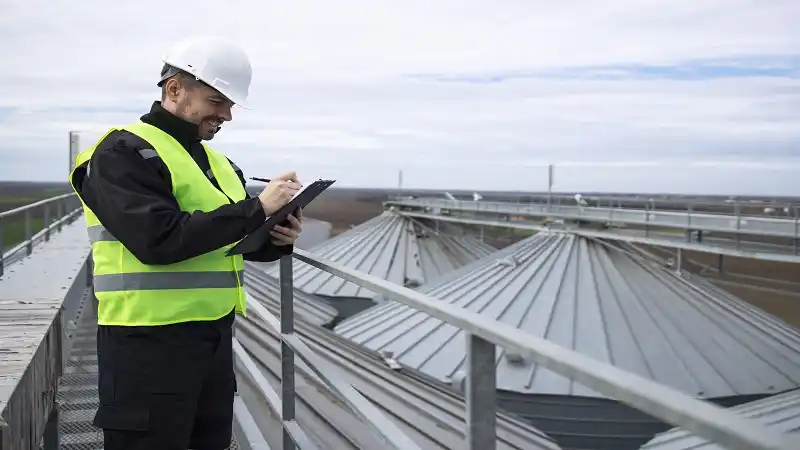
A strong commercial building begins with reliable overhead protection. In a coastal city like Oceanside, weather plays a major role in how buildings hold up over time. Rain can arrive quickly, while bright sunlight stays present through most of the year. These conditions place daily pressure on roof systems, making smart design an essential part of any commercial structure.
Business owners depend on experienced professionals who understand local conditions. Many turn to roofers in Oceanside, CA, for guidance when choosing systems that match climate needs and business demands. A well-built roof supports daily operations and helps protect long-term property value. This article explains how rain and sun exposure affect commercial roof systems and why proper planning matters.
Coastal Climate Shapes Building Protection
The coastal environment in Oceanside creates constant exposure to moisture and heat. Salt in the air moves inland and settles on building surfaces throughout the year. Rainfall may not last long, but sudden storms can still challenge drainage systems. When water stays on the surface too long, it can weaken materials and reduce performance.
Sun exposure adds steady pressure as well. Daily heating and cooling cause surfaces to expand and contract. Over time, this movement can damage seams and wear down protective layers. A reliable system accounts for both moisture and sunlight to protect the structure.
Rainfall Control Guards Interior Spaces
Water management plays a key role in commercial roof performance. When rain falls on flat or low-slope surfaces, it must move toward drains without delay. Poor slope or blocked drainage can lead to leaks and interior damage.
Important features that support proper water control include:
- Sloped surfaces that direct water toward drains
- Durable membranes that resist moisture entry
- Tight seals that prevent water from slipping through joints
Each part works together to protect offices, equipment, and stored materials during storms.
Sun Exposure Demands Heat-Resistant Materials
Sunlight affects more than the outer surface of a roof. Heat can build up and place stress on layers beneath. Over time, this stress may reduce flexibility and lead to cracks or surface failure. Commercial roof systems must handle steady heat without losing strength.
Reflective finishes help reduce heat absorption. Insulation below the surface also supports indoor comfort by limiting temperature changes. In Oceanside, these material choices help improve energy efficiency and extend system life.
Professional Planning Meets Local Conditions
Commercial properties benefit from planning that reflects regional conditions. Professionals review wind patterns, rainfall levels, and sun exposure before recommending materials. This careful approach helps buildings meet local codes and handle environmental demands.
Experienced teams, including trusted roofers in Oceanside, CA, focus on performance that lasts. They recommend systems designed to handle moisture and heat without frequent repairs. This level of planning supports smooth business operations and long-term reliability.
Long-Term Value Through Weather-Ready Design
A weather-ready commercial roof protects more than the building’s interior. It also preserves the property’s appearance and overall value. Tenants and visitors notice stable indoor conditions and clean exterior lines.
In Oceanside, strong roof systems also help meet insurance requirements and support resale value. When owners invest in proper design, they reduce disruptions and protect their investment. Thoughtful planning leads to dependable performance and lasting protection for commercial properties.
Commercial roof systems must stand up to both rain and constant sun exposure to protect business properties. In Oceanside, coastal weather creates steady demands that require strong materials and thoughtful design. When roof systems are planned with local conditions in mind, they support long-term performance, interior comfort, and property value.